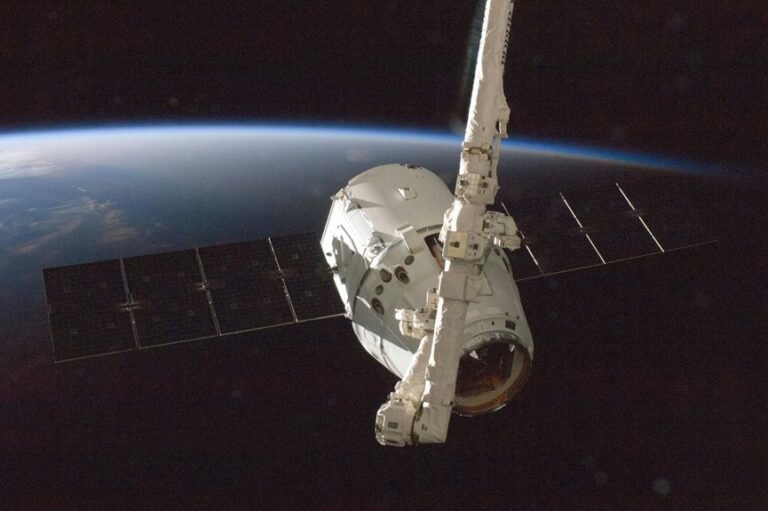
Fusion Pulse 1410100001 Stellar Flow
Fusion Pulse 1410100001 Stellar Flow exemplifies a significant leap in nuclear fusion technology. This system utilizes advanced plasma physics to achieve efficient energy production through the merging of isotopes under extreme conditions. Its implications for space exploration and energy sustainability on Earth warrant careful examination. However, the pathway to widespread implementation is obstructed by notable challenges. Understanding these hurdles is essential for assessing the true potential of this innovative technology.
The Science Behind Fusion Pulse 1410100001
Although the concept of Fusion Pulse 1410100001 may initially appear complex, it is grounded in fundamental principles of nuclear fusion and plasma physics.
Central to its operation are nuclear reactions, wherein isotopes merge under extreme conditions. Effective plasma confinement techniques are crucial, as they maintain the requisite temperature and pressure, enabling sustained reactions, thereby unlocking the potential for efficient energy production and advancing human independence from conventional energy sources.
Potential Applications for Space Exploration
As advancements in Fusion Pulse technology continue to evolve, its potential applications for space exploration become increasingly significant.
This technology could revolutionize interstellar travel by providing efficient propulsion systems that reduce travel time.
Furthermore, it facilitates resource extraction from asteroids and other celestial bodies, enabling sustainable utilization of extraterrestrial materials and supporting long-term human presence beyond Earth, thereby expanding the horizons of exploration.
Impacts on Earth and Energy Sustainability
The advent of Fusion Pulse technology presents significant implications for energy sustainability on Earth.
By enhancing renewable integration, this technology promises to bolster climate resilience through a more stable and abundant energy supply.
The shift towards fusion energy could mitigate reliance on fossil fuels, thereby reducing greenhouse gas emissions, promoting energy independence, and supporting global initiatives aimed at environmental preservation and sustainable development.
Challenges in Developing Fusion Technology
Advancements in Fusion Pulse technology, while promising significant improvements in energy sustainability, face numerous technical and economic challenges that must be addressed before widespread adoption can occur.
Key issues include funding hurdles that limit research and development, along with regulatory obstacles that complicate implementation.
These factors hinder progress, necessitating a concerted effort to facilitate innovation and streamline legal frameworks for effective deployment.
Conclusion
In summary, Fusion Pulse 1410100001 Stellar Flow represents a pivotal leap in nuclear fusion technology, promising transformative applications in both space exploration and energy sustainability on Earth. While skeptics may question the feasibility of widespread implementation, ongoing advancements in plasma physics and engineering are addressing these concerns. By fostering international collaboration and innovative funding models, the potential of this technology can be realized, ultimately reshaping humanity’s approach to energy production and interstellar travel.