
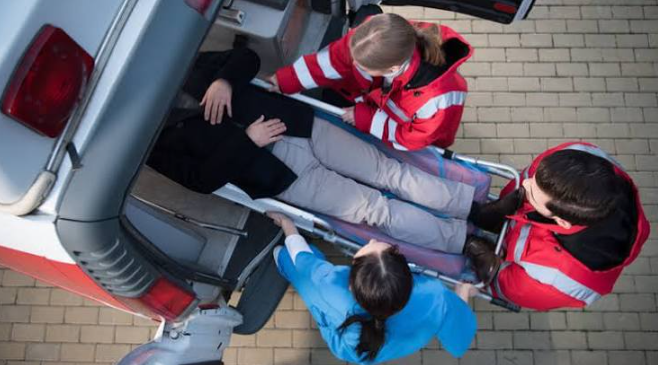
When a Patient Needs to Be Moved for Care: Understanding Medical Transport
There are times when a patient cannot simply get into a car and travel to where they need to be. They may be seriously ill, recovering from treatment, or living far from the specialist care they require. In these situations, moving them safely becomes a medical task in itself, involving trained staff, suitable equipment, and careful planning. Understanding how this kind of transport works can help families make calmer, better-informed decisions at a difficult time.
This article explains what medical transport for seriously ill patients involves, when it is used, and what families can expect — including when a medical evacuation is arranged to move a patient to specialist care. It is general information only, and it is not a substitute for advice from the patient’s own doctors or from the service providing the transport.
What Medical Transport Involves
Medical transport, sometimes called patient transfer, means moving a person who needs medical attention during the journey. This is different from an ordinary taxi or car ride. The vehicle is equipped for patient care, and trained personnel travel with the patient to monitor their condition and respond if it changes. The level of care depends on the patient’s needs, which can range from basic support to advanced monitoring.
The journey may be short, such as a transfer between two hospitals in the same city, or it may be long, involving travel between cities or even between countries. Longer journeys require more planning, including decisions about the route, the equipment needed, and whether medical staff will need to stay with the patient for the whole trip. In some cases, an air transfer is used when the distance is great or when time is important.
The common thread in all of these journeys is preparation. Nothing is left to chance. The team responsible for the transfer will want to know about the patient’s condition, the treatment they are receiving, and any equipment they depend on. This information shapes every decision, from the type of vehicle to the number of staff on board.
When This Kind of Transport Is Needed
There are several common situations in which medical transport is arranged. One is when a patient needs specialist treatment that is not available at their current hospital. Rather than waiting, the patient is moved to a facility that can provide the right care. Another is when a patient who became ill while travelling needs to return home to continue treatment near their family and their regular doctors.
It may also be needed after a serious accident or illness, when a patient is stable enough to travel but still needs monitoring and support. In these cases, the move is planned carefully with the treating doctors, who confirm that the patient is fit to travel and advise on any precautions. The timing of the journey matters, and it is usually arranged once the patient’s condition has settled enough for a safe transfer.
Families sometimes arrange this kind of transport for an elderly relative who can no longer travel independently, or for someone with a long-term condition who needs to attend appointments in another location. In each case, the goal is the same: to move the person safely and with dignity, without adding unnecessary risk or discomfort.
How a Transfer Is Usually Arranged
Arranging medical transport normally begins with a conversation between the patient’s doctors and the transport provider. The doctors share information about the patient’s condition and what the journey will require. The provider then explains what is possible, what equipment will be needed, and how the journey will be organised. Families are usually involved in these discussions, especially when decisions about timing and destination need to be made.
If you are helping to arrange transport for a family member, it helps to gather the key information early. This includes the patient’s current location, their destination, their medical condition as described by their doctors, and any equipment they use, such as oxygen or a drip. The provider will ask about these things, and having the answers ready will make the process smoother.
It is also worth discussing who will travel with the patient. In many cases, a family member can accompany them, which can be reassuring for everyone. However, space in a medical vehicle or aircraft is limited, and the medical team may need to decide how many people can travel. Ask about this early so there are no surprises on the day.
Frequently Asked Questions
1. Who decides whether a patient is fit to travel?
The patient’s treating doctors make this decision, based on their condition and the nature of the journey. The transport provider will also assess whether they can safely carry out the transfer. If either party has concerns, the journey may be delayed until the patient is more stable.
2. Can a family member travel with the patient?
In many cases, yes, but it depends on the type of vehicle and the level of care required. Space is limited, especially in air transfers, and the medical team must have room to work. Ask the provider early about accompanying passengers so the arrangements can be made in advance.
3. How far in advance should medical transport be arranged?
As early as possible, especially for longer or more complex journeys. Early planning allows time to gather medical information, coordinate with hospitals, and arrange the right vehicle and team. In urgent situations, providers can sometimes organise a transfer quickly, but more notice generally leads to a smoother journey.
Conclusion
Moving a seriously ill patient is never a simple journey, but with the right planning and the right team, it can be carried out safely and with care. The key is preparation: clear communication between doctors, the transport provider, and the family; a realistic understanding of what the journey involves; and honest discussion of costs and insurance. If you ever need to arrange this kind of transport, take the time to ask questions and gather information. A well-planned transfer gives the patient the best chance of a safe journey, and gives the family the reassurance that everything possible has been done.
