Improving Safety Standards For Local Businesses
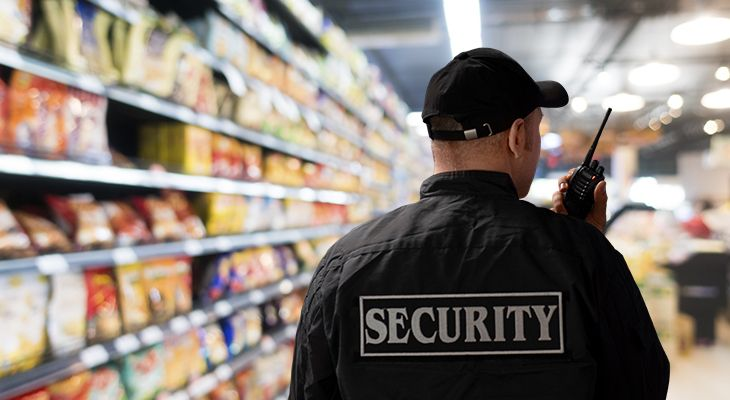
Local businesses are the heartbeat of communities. They provide essential services, jobs, and a sense of identity. Yet, safety concerns remain a pressing challenge. From theft to vandalism, businesses face risks that can disrupt operations and erode customer trust. Improving safety standards is not just a legal obligation but a smart investment. Simple measures can make a business more secure, protect employees, and create a welcoming environment for customers.
Implementing Mobile Patrols For Consistent Security
Mobile patrols are security teams that move around business areas on a scheduled or random basis. They provide visible protection and rapid response to potential threats. Local businesses can benefit from mobile patrols because they deter criminal activity through presence alone. These patrols can cover multiple locations efficiently, making them ideal for small and medium-sized businesses. Investing in mobile patrols ensures that staff and customers feel safer while helping reduce property loss and operational disruptions.
Enhancing Security Services With Modern Technology
Security services encompass a wide range of protective measures, including alarms, cameras, and trained personnel. Combining these services with technology improves effectiveness. Modern systems allow real-time monitoring and instant alerts, so businesses can respond quickly to incidents. For local business owners, integrating security services with mobile patrols creates a multi-layered safety approach. This synergy enhances protection, reassures employees, and strengthens the overall community reputation.
Training Staff To Work With Mobile Patrols
Safety is not just about equipment or guards; it involves people too. Staff trained to interact effectively with mobile patrols can prevent incidents before they escalate. Training includes emergency protocols, reporting procedures, and awareness of suspicious activities. When employees understand how to use mobile patrols as part of daily safety practices, they contribute actively to a safer business environment. This proactive approach strengthens security services and reduces the likelihood of costly mistakes.
See also: Exploring the Ethical Dilemmas of Facial Recognition Technology
Upgrading Security Services With Risk Assessments
Regular risk assessments help identify vulnerabilities in business operations. Security services, when informed by these assessments, can focus on the areas that need the most attention. From installing better lighting to reinforcing entry points, businesses can implement changes that minimize threats. By continuously evaluating risks, local businesses ensure that security services remain relevant and effective. This strategy makes mobile patrols and other safety measures far more impactful.
Community Collaboration To Support Safety Standards
Local businesses do not operate in isolation. Collaborating with nearby shops, neighborhood groups, and local authorities can enhance safety standards. Shared knowledge about potential threats allows security services to be more responsive. Mobile patrols can coordinate routes to cover multiple areas efficiently, creating a safer network for everyone. Strong community ties also encourage a culture of vigilance and mutual support, benefiting both employees and customers.
Regular Review Of Safety Policies
Safety is an ongoing process, not a one-time effort. Businesses should regularly review their policies to address new challenges. Evaluating the effectiveness of mobile patrols and security services ensures that measures remain practical and efficient. Regular updates also demonstrate to employees and customers that the business is committed to their protection. Continuous improvement fosters trust, reduces risks, and establishes a reputation for reliability and responsibility.
Conclusion
Improving safety standards for local businesses requires a combination of strategies. Mobile patrols provide a visible deterrent, while security services backed by modern technology offer comprehensive protection. Training staff, conducting risk assessments, collaborating with the community, and regularly reviewing policies all contribute to a stronger safety culture. By taking proactive measures, businesses can protect their assets, support their employees, and create a secure environment for customers.